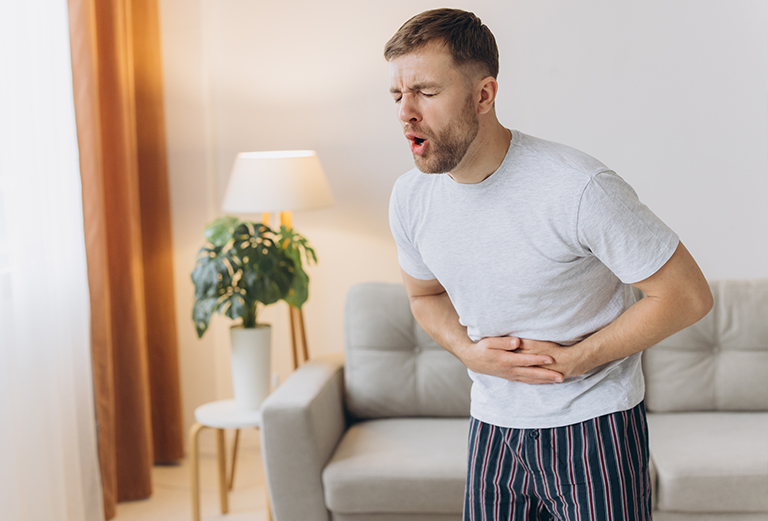
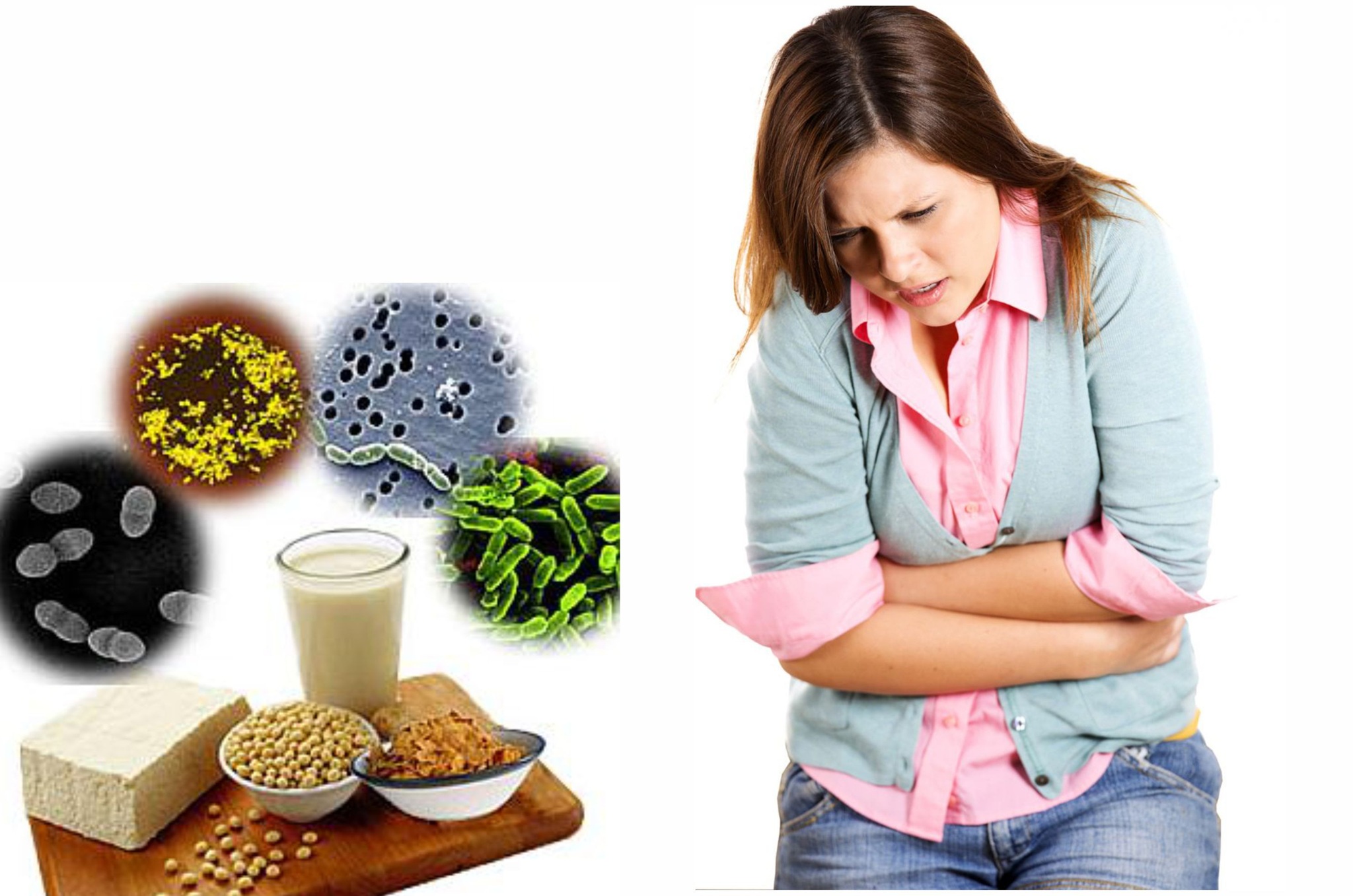
A sudden onset of food poisoning can leave you feeling sick. One moment you feel great; the next thing you know, you’re experiencing nausea and vomiting or having stomach cramps that send you running to bed, or perhaps the bathroom. The majority of people with food poisoning will experience mild symptoms; however, some will develop more severe symptoms that could require the use of a healthcare provider to treat dehydration or to avoid further complications from the illness.
At MD Clinics, we see many patients daily who have come to us feeling really bad after consuming contaminated foods. If you’re looking for an emergency room (ER), searching for an Urgent care clinic near me, or simply trying to manage your symptoms safely at home, you should first understand how best to approach your Food poisoning treatment before you start your recovery process.
What Causes Food Poisoning?
When food or a beverage contains bacteria, viruses, parasites, or toxins, it will likely cause food poisoning. Undercooked meats, raw eggs, seafood, unpasteurized dairy products, and improperly stored leftovers are common sources of foodborne illness. In addition, fresh fruits and vegetables may harbor pathogenic bacteria if not washed adequately.
Typically, symptoms of food poisoning occur within a few hours but may take 1 to 2 days in certain circumstances. The severity of your symptoms depends on what type of contaminant was present, as well as your basic health condition.
Common Symptoms to Watch For
Food poisoning affects people differently, but the most common symptoms include nausea, vomiting, stomach cramps, diarrhea, fatigue, and sometimes fever. Diarrhea food poisoning treatment is often one of the biggest concerns, especially if it lasts longer than a day or becomes severe.
Dehydration is the biggest risk, particularly for young children, older adults, and people with chronic health conditions. Signs of dehydration include dry mouth, dizziness, dark urine, and reduced urination.
Self-Care for Mild Cases of Food Poisoning
By following a few steps, you can treat mild cases of food poisoning at home without seeking medical attention. With adequate self-care, symptoms typically resolve within a few days.
Rest
Getting enough rest is an extremely important part of recovering from food poisoning. Your body requires a lot of energy to combat infection and heal itself when you are ill, so do not engage in intense activities until you have recovered fully.
Hydration
It is crucial to remain well hydrated during food poisoning. You should drink plenty of water and/or oral rehydration solutions/electrolyte drinks throughout the day. When experiencing nausea, sip small amounts throughout the day rather than taking large amounts. Do not drink caffeinated beverages, alcohol, or sugary beverages, as these can cause further dehydration.
Gentle Foods
Once you feel ready to eat, it is advisable to start with mild/sheer foods that are more easily tolerated by the stomach, such as rice, bananas, toast, applesauce, and crackers. Initially, when recovering from food poisoning, avoid eating greasy foods, spicy foods, and dairy products until all symptoms have subsided.
Medications
If you need to use over-the-counter medications to help relieve your nausea or diarrhea, use them carefully, and do not take them continually. In some situations, stopping diarrhea completely may delay the body’s natural clearance of harmful bacteria, which is another reason to use medication only sparingly.
When to Seek Medical Attention for Food Poisoning
In most cases, food poisoning can be managed without medical intervention. However, if your symptoms are severe, long-lasting, or worsening, you need to see a physician. Severe vomiting that prevents you from drinking any liquids, diarrhea that doesn’t go away after 48 hours, fevers over 101 degrees, blood in your stool, and/or signs of dehydration all indicate that medical assistance is necessary.
Providers at MD Clinics will evaluate you for hydration, symptoms, and general medical condition. If your symptoms are severe enough, your Food poisoning treatment recommendation may range from IV Fluids to replenish the body’s fluids, medications to reduce nausea and vomiting, or antibiotics if a bacterial infection is suspected.
Diarrhea and Food Poisoning: Why Care Matters
The dangers associated with diarrhea and its link to food poisoning far surpassed the discomfort of both. Prolonged diarrhea can lead to significant fluid and electrolyte losses.
Hydration is usually the priority in treating diarrhea associated with food poisoning. If you are unable to hydrate with oral fluids alone, providers at an urgent care facility often use intravenous (IV) fluids to restore fluid and electrolyte balance quickly. Additionally, medication may be prescribed to alleviate cramping and discomfort, but it is imperative to allow the body to recover naturally.
MD Clinics aid in ensuring your safe recovery
MD Clinics emphasizes patient-centric care by providing prompt assessments and individualized Food poisoning treatment regimens. Upon visiting the clinic, your healthcare provider will obtain information about your dietary intake, the onset of your symptoms, and the severity of those symptoms. This data will assist your provider in determining whether your symptoms can be managed with self-help techniques or require medical treatment.
MD Clinics will also specify the type of nutrition required for proper hydration and outline the appropriate times to return to regular activity after experiencing an illness. MD Clinics intend to provide its patients with a safe, successful recovery and also reduce the likelihood of additional episodes of illness.
Getting help to help you get better
Is there anything worse than an upset stomach? Probably not! Being sick with food poisoning can be a very uncomfortable experience; however, if you don’t know when to reach out for help and go to the doctor, then the situation will only get worse and could eventually lead to further health problems.
MD Clinics offers accessible walk-in urgent care services in California, so you can quickly find the relief with appropriate Food poisoning treatment you need without having to wait too long to see a doctor.
Conclusion
Food poisoning, depending on its cause and your body’s reaction, can affect you mildly or severely. Most of the time, cases can resolve with proper self-care, but it is also important to know when to seek medical attention if you suspect food poisoning, particularly to avoid complications. By paying attention to your body and acting promptly upon noticing clinical signs, a shorter and less painful convalescence may be achieved.
MD Clinics is available for assistance if your symptoms worsen or fail to improve. With convenient walk-in access, professional care, and patient-centered options, patients across California can have their needs addressed promptly. Whether you are seeking urgent care for food poisoning in CA or need an urgent care center, MD Clinics offers a reputable option for safe, comfortable recovery.
FAQs
How long does food poisoning usually last?
Food Poisoning typically lasts no more than 1-3 days, depending on the cause; however, some individuals may take longer to recover.
When should I visit urgent care for food poisoning?
If you experience regular vomiting, diarrhea, fever, or signs of dehydration, please seek Urgent Care immediately.
Can urgent care treat food poisoning?
Urgent Care can treat individuals with food poisoning. At MD Clinics, you will receive an evaluation, receive Hydration, and be treated for this condition.
Is diarrhea always a bad sign with food poisoning?
Diarrhoea does not always mean there is a problem with Food Poisoning, but if you are experiencing “prolonged” or “insufficient” Diarrhoea, you should be seen by your Medical Doctor.
Do I need an appointment at MD Clinics?
At MD Clinics, we accept Walk-Ins; therefore, it is very simple to visit an Urgent Care Facility near you when your symptoms start showing