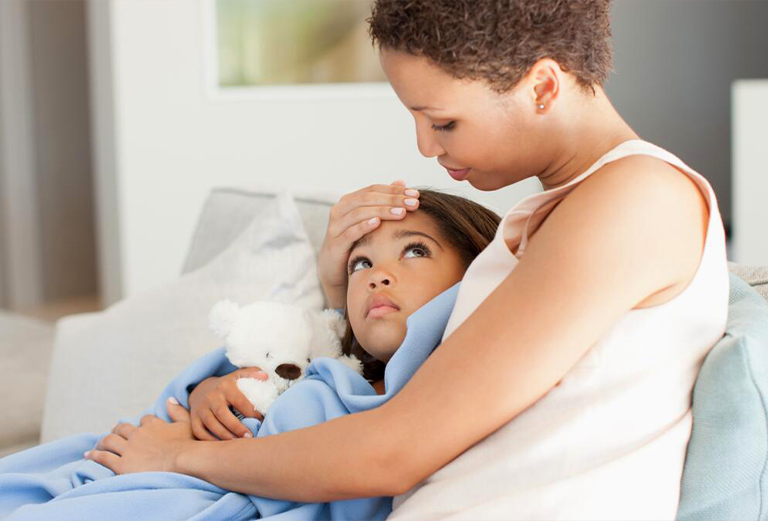
When discussing diarrhea in children, we are referring to the passage of soft or liquid stools repeatedly, and that is often done more than the child normally would. In this blog, we will discuss the reasons for diarrhea in children, what home remedies you can use, the definition of the best diarrhea treatment, and when to seek professional help, such as the same-day care provided by MD Clinics. Diarrhea can persist for a couple of hours or several days. The triggers are numerous, such as:
- Viral infections (such as rotavirus or norovirus)
- Bacterial infections can occur through food, water, or touching contaminated things.
- Parasites, mainly in some travel or camping scenarios.
- Changes in diet or sensitivity to food.
- Medication side effects (some antibiotics are known to cause diarrhea).
What kids experience and why it matters
When a child suffers from diarrhea, the following manifestations usually occur:
- Several loose and watery stools in a very brief period
- Desire to go, or if the child is very young, then accidents
- Stomach cramps, tummy pain, and bloating may occur
- Fever, vomiting, or other symptoms may also be present at times
Dehydration is possible (which is the main concern) – signs of this condition are:
- Fewer wet diapers
- Dry mouth
- crying without tears
- sunken eyes or cheeks.
As children can quickly get dehydrated. Early diarrhea treatment is crucial. It is not only about discomfort, but it can also affect hydration, nutrition, and overall well-being.
What’s the best diarrhea treatment at home
There are situations where the case is pretty serious and professional intervention is needed; however, many mild cases can be treated at home if the right care is given. Here’s how:
- Hydration is crucial: Be generous with the fluids. Water oral-rehydration solutions (ORS), or kids’ electrolyte drinks. Sugary drinks and soft drinks should be at the bottom of the list.
- Feeding should go on: If your kid wants to eat, give bland, easy-to-digest meals. Bananas, rice, applesauce, and toast (sometimes called the “BRAT” diet, but you don’t have to restrict it that strictly). Try to give them their normal diet when possible.
- Avoid certain foods: fat, spices, or heavy meals might worsen the gut unease. Also, do not give untreated water or food from questionable sources.
- Look for triggers: if they have just finished taking antibiotics, then note this for your doctor.
- Keep hygiene very high: Wash hands thoroughly after changing diapers or visiting bathrooms, clean surfaces, and do not share utensils if infection is suspected.
- Rest and comfort: Allow your child to rest; good sleep is a part of the healing process.
When to go to an urgent care clinic
In the case where home care is not sufficient for a child, you must go to an urgent care clinic (or similar) if any one of the following things occurs:
- Diarrhea lasts more than 24-48 hours (with special concern for the youngest children)
- Blood or mucus in stool
- Very high or steadily high fever (over 102 °F/39 °C)
- The child is very young (an infant), has other medical problems, or is on immunosuppressive medications.
- Intense vomiting that makes it impossible to keep fluids down
Searching for “urgent care in San Francisco” or “urgent care clinic near me”, you are looking for a place that can first assess the child, carry out some tests (if necessary), then either provide fluid or medication, and finally determine whether it’s a case of mild infection requiring home care or a more complicated situation needing specialized health care. At MD clinics, one of the conditions we handle in urgent care services is diarrhea treatment.
How a trusted clinic like MD Clinics can help
At the MD Clinics in Anaheim, California, we mention “diarrhea treatment” as one of the numerous possibilities under the urgent care service. Here is the support from a clinic:
- Right away access, same day or walk-in visits for urgent but non-emergency matters
- Expert examination to find out whether diarrhea is just simple (viral) or more serious (bacterial, parasitic, or dehydration needing IV fluids)
- Diagnostic testing, stool tests, labs, and possibly imaging if the need arises
- Hydration therapy guidance, medications if necessary (for instance, anti-diarrheals in certain cases, or antibiotics if bacterial cause identified)
- Follow-up and guidance help you advise on feeding, hygiene, preventing spread, and when to return
Therefore, if you happen to be in California and looking for “urgent care in San Francisco” or anything similar in your area, then you would want a center like this one: reachable, reliable, and dealing with pediatric problems such as diarrhea.
Tips for reducing recurrence and maintaining gut health
Here are a few additional tips that can help keep future episodes of diarrhea in your child fewer and less severe once recovery is assured. These measures will help reduce the frequency of urgent-care visits, as they complement the “diarrhea treatment” that you might apply during an episode:
- Have your child inoculated? Since vaccinations minimize the chances of getting infected with a virus that causes diarrhea.
- Teach and demonstrate handwashing to your child properly. This is especially important after using the restroom or before meals.
- Make sure food and water are safe. Stay away from unpasteurized milk, and if you travel abroad, make sure you know the hygiene conditions.
- Give your child a well-balanced diet, sound sleep, and stress management.
Final thoughts
Diarrhea in children might be a double-edged sword matter, leading from an easy-to-manage situation to a serious concern. In most cases, if caught early enough and with the application of good hydration, a simple diet, and monitoring, it would end up resolving well. However, since kids lose fluids much quicker than adults do, it is very important to know when to go to an urgent care clinic and how to locate one by searching urgent care San Francisco or “urgent care clinic near me”. MD Clinics, for instance, is a perfect example of how.
For additional guidance on fast and effective recovery options, you can also check this post on Stop the Runs: Fast Relief & Cure for Diarrhea with Online Treatment and Teleurgent Care
FAQs
How long should I wait before calling a doctor for my child’s diarrhea?
In case of a persistent diarrhea lasting more than 24-48 hours in a generally healthy older child, or sooner if dehydration, high fever, or blood in stool are apparent, it’s time to look for medical assistance.
Is there any medicine that can be given for the so-called best diarrhea treatment for all situations?
Not really. The diarrhea treatment relies on the cause (viral, bacterial, or food-related) and the child’s age. Hydration plus a simple diet are the universal first steps. Medications are left to a provider’s discretion.
Choose any urgent care clinic for my child’s diarrhea.
Yes, competent urgent care clinics can assess and treat many cases. Make sure the clinic works with children and does diagnostic testing, e.g., MD Clinics lists diarrhea in its services.
My child is vomiting too, and diarrhea has occurred – what should I do?
Diarrhea, together with vomiting, raises the risk of dehydration. Concentrate on frequent small sips of liquid, and if the fluids cannot be retained, think of going to urgent care sooner rather than later.
What measures can I take to keep my child away from diarrhea shortly?
Maintaining vaccination (rotavirus), practicing good hygiene (handwashing), ensuring safe food/water sources, avoiding unnecessary antibiotics, and promoting overall wellness are among the measures to be taken.