Pneumonia may begin subtly at first, similar to an upper respiratory infection (URI) or a cold. However, bicycally, after time has passed or symptoms have worsened to involve respiratory distress, i.e., severe coughing or chest pain and/or a very high or low fever, it would be reasonable to think you might have pneumonia. The sooner you see a doctor for pneumonia treatment, the sooner you can prevent complications and recover more quickly. Here, you can expect to benefit from thorough evaluation, accurate diagnosis, and customised treatment plans that ensure the quickest and safest restoration of your lungs.
For a complete overview of early signs, treatments, and what to expect, see this guide on pneumonia care by the CDC.
Understanding Pneumonia And Its Causes
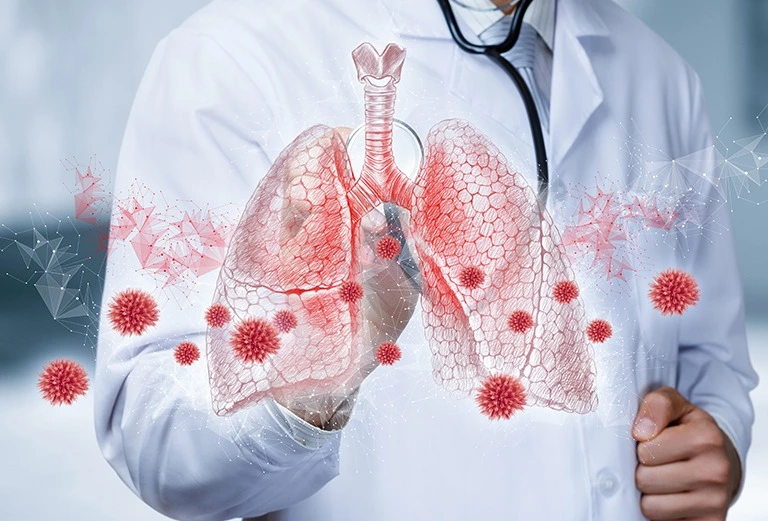
The term “pneumonia” refers to a condition in which there are infections that cause inflammation in the air sacs in either one of the lungs or possibly both. Pneumonia can cause severe breathing discomfort and a decrease in overall oxygen flow to your body.
Common Causes of Pneumonia
Pneumonia can be caused by:
- Bacteria
- Viruses
- Fungi
- Complications from respiratory infections
Why Early Diagnosis Matters
The reason early detection of pneumonia is so important is that it can enable easier, more effective treatment and may help prevent severe lung complications. However, the longer you wait to seek medical attention, the higher the risk for complications.
For more detailed information about early symptoms and treatment options, check out Early Symptoms, Diagnosis, and Effective Treatments of Pneumonia.
What Are the Symptoms of Pneumonia?
Depending on the cause and severity of the infection, symptoms may range from mild to severe and may develop over time. Initially, these symptoms may feel like bronchitis or the flu, which is why it is important to seek a professional evaluation ifthey persistt.
Early Warning Signs of Pneumonia are:
Symptoms can range from mild to severe and may develop over time. Initially, they may resemble bronchitis or the flu, which is why professional evaluation is essential.
- Cough that does not go away (with or without mucus)
- Fever and Chills
- Fatigue
- Shortness of Breath
- When breathing or coughing, there will be pain that cannot be attributed to normal causes.
For a practical guide on identifying early warning signs, see 7 Early Signs of Pneumonia: When to Seek Urgent Care.
Severe Symptoms That Require Immediate Care
If you search online for a pneumonia specialist near me, you can find a qualified medical professional who can provide a comprehensive evaluation of your condition.
- People with Difficulty Breathing,
- Pain in the Chest is Getting Worst,
- For people who are confused, etc. (older adults), it is very, very important to see an Urgent Care clinic.
If you are unsure where to get prompt evaluation, insurance and payment options at urgent care clinics can help you find a clinic that suits your coverage and needs.
What Is Walking Pneumonia?
Walking pneumonia, which results from atypical bacteria, is a milder type of pneumonia. A person with walking pneumonia will have symptoms that are manageable enough not to warrant bed rest. Because of this, it is called walking pneumonia.
How Walking Pneumonia Feels Different
Many people with walking pneumonia will have symptoms that seem manageable to them, so they will delay getting care. All mild infections, however, should be evaluated by a physician to ensure the best possible outcome. The following is a list of symptoms of walking pneumonia that can make you feel different than if you had;
- Mild fever
- Dry cough
- Headache
- Low energy
Treatment Options for Pneumonia
The extent of pneumonia treatment depends on the cause and the severity of your pneumonia.
Antibiotics for Bacterial Pneumonia
Antibiotics are often given if you have bacterial pneumonia. Taking all of your antibiotics as prescribed will kill off the infection completely.
Supportive Care for Viral Pneumonia
You may not need antibiotics for viral pneumonia, but supportive care (getting plenty of rest, drinking plenty of fluids, managing any fever) is essential for a full recovery.
Monitoring and Follow-Up
If your doctor believes you might have pneumonia or needs to confirm that you no longer have it, he/she might ask for chest X-rays and arrange follow-up visits.
When Should You Visit a Clinic?
It is possible to treat some mild symptoms at home initially; some signs require immediate evaluation. If you are looking for Urgent Care in Anaheim, you should get evaluated sooner rather than later, since prompt care reduces the risk of complications and helps you restore your lung function much faster than waiting.
Signs You Should Not Ignore
- Signs You Should Go See Your Doctor
- A high fever for more than three days
- Shortness of breath that is prolonged
- Increasing chest pain
- Severe fatigue or weakness
Preventing Pneumonia
While pneumonia can be acquired through several different ways, you can lower your chances of becoming infected by taking certain precautions.
Vaccination And Hygiene
Vaccines for some types of pneumonia can provide substantial protection. Also, washing your hands frequently and avoiding sick people are effective ways to limit exposure to germs that cause pneumonia.
Strengthening Your Immune System
A well-rounded lifestyle, including good nutrition, sufficient sleep, and regular exercise, will help maintain healthy lungs and your body’s ability to fight infection.
Conclusion
Pneumonia is not just about a persistent cough; it’s a type of lung infection that needs careful management and appropriate treatment. Seeking early recognition of symptoms and professional treatment for pneumonia will greatly improve your outcomes and shorten your recovery time. At MD Clinic, we provide our patients with an early evaluation, proper diagnosis, and caring support as they heal. Don’t wait if you are experiencing persistent or worsening symptoms. Getting medical care as soon as possible will allow you to breathe and recover more easily than if you delay seeking help.
FAQs
How quickly do you recover from pneumonia?
Depending on the severity of your case, recovery can take anywhere from 1-2 weeks in mild cases up to several weeks in more serious cases.
Can walking pneumonia go away without treatment?
Although many mild cases may naturally improve without treatment, getting a full medical evaluation guarantees you will receive the appropriate diagnosis/procedure for any related complications.
Is pneumonia contagious?
Certain types of pneumonia, mainly bacterial pneumonia, may indeed be passed from person to person.
How do I know if I need to see a doctor immediately?
Symptoms such as shortness of breath, persistent chest pain, or a high fever should prompt you to seek emergency medical assistance.